Introduction
Arizona’s diverse ecosystem is home to various pests, including subterranean termites, which can cause significant damage to homes and structures. Understanding the behavior of these termites, along with effective treatment methods, is essential for successful pest control in the region.
The Behavior of Subterranean Termites
Subterranean termites have several unique characteristics that set them apart from other termite species:
- Average Colony Size: Colonies of can vary widely in size, typically ranging from 50,000 to over 500,000 individuals.
- Underground Habitat: These termites have adapted to living underground, often establishing colonies up to 50 feet beneath the surface. This subterranean lifestyle poses challenges for detection and eradication.
- Egg Hatching: The eggs laid typically hatch approximately a year after being deposited, contributing to the rapid growth of their populations.
- Attraction to Moisture: Subterranean termites are drawn to moisture, making structures with moisture issues particularly vulnerable to infestation.
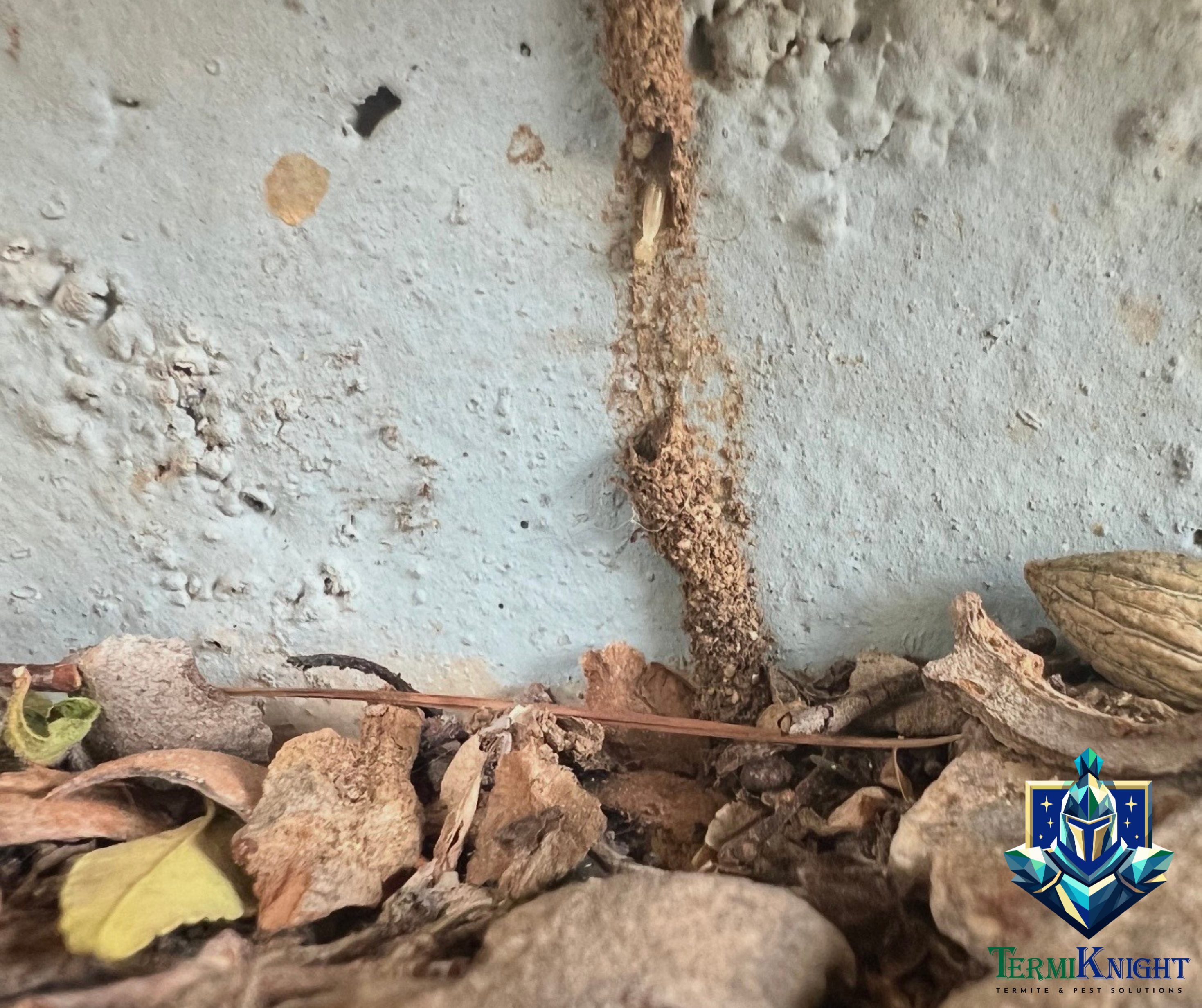
- Mud Tunnel Behavior: When disturbed, subterranean termites can abandon their mud tunnels and quickly create new ones nearby. This behavior complicates eradication efforts.
- Infestations after Leaks or Floods: Instances of leaks or floods commonly precede subterranean termite infestations, as the damp conditions created are conducive to their survival.
- Swarming Season: Subterranean termites exhibit a swarming behavior typically observed from July through September. During this period, they are most active in seeking out new locations to establish colonies.
- Queen’s Location: The queen of a subterranean termite colony may be located as deep as 50 feet underground, where she can lay thousands of eggs daily to sustain the colony.
Signs of a Subterranean Termite Infestation
Identifying an infestation early is crucial for effective control. Some signs to look out for include:
- Mud Tubes: Subterranean termites construct mud tubes to provide moisture while they travel between their nest and a food source. These tubes are often found along walls or foundations.
- Damaged Wood: Termites feed on wood from the inside out, so wood that sounds hollow when tapped or appears to have been damaged by water or other insects may indicate a termite infestation.
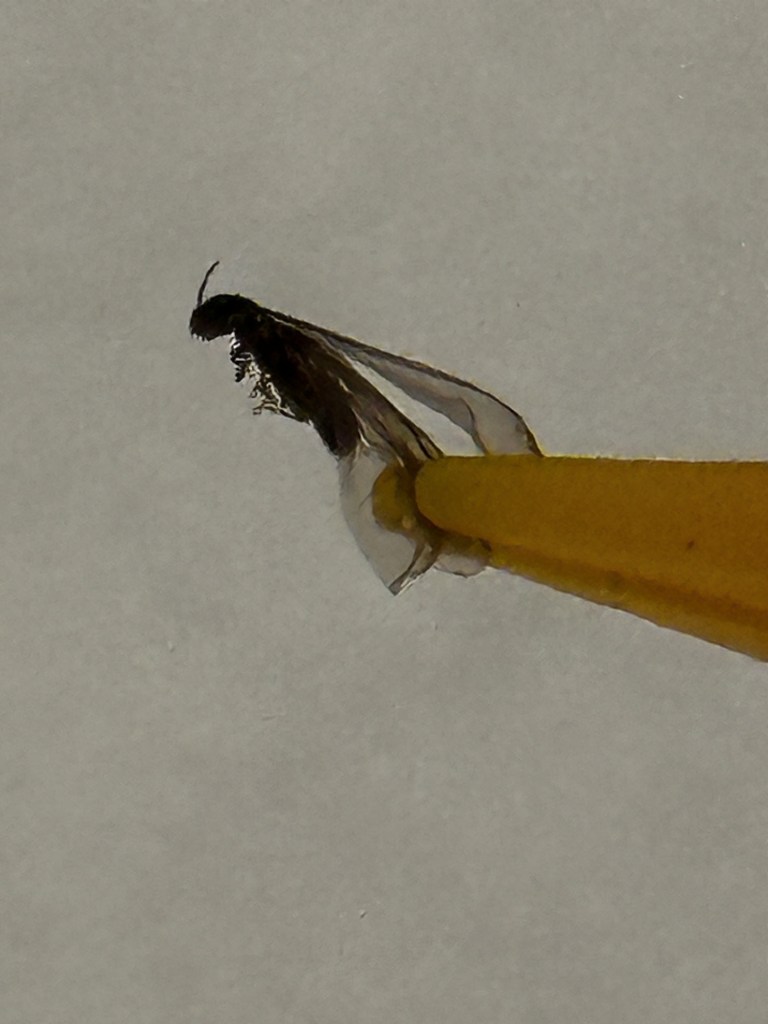
- Discarded Wings: After swarming, subterranean termites shed their wings, which may be found near windowsills, doors, or other entry points.
- Bubbling or Peeling Paint: Termites can cause paint to bubble or peel, as they produce moisture while feeding on wood.

Treatment Methods for Subterranean Termites
Inspection
The initial step in addressing a termite infestation is a comprehensive inspection conducted by a licensed pest control professional. This inspection aims to determine the extent of the infestation and identify critical areas of activity.
Chemical Treatments
Chemical treatments represent a common approach to eradicating termites. Among these treatments, Termidor stands out as a highly effective liquid termiticide. When applied to the soil surrounding a structure, Termidor eliminates termites upon contact and can be transferred among individuals, leading to colony eradication.
Bait Systems
Bait systems offer an alternative method for combating subterranean termites. These systems utilize bait stations strategically placed in the ground around a structure. Termites consume the bait and subsequently transport it back to the colony, resulting in the gradual elimination of the entire population.
Preventive Measures
In addition to treatment, implementing preventive measures can help reduce the risk of a subterranean termite infestation. These measures may include:
- Reducing Moisture: Repairing leaks and improving drainage around the structure can help reduce moisture levels, making the environment less attractive to termites.
- Removing Wood-to-Ground Contact: Ensuring that wood portions of the structure do not directly contact the ground can help prevent termite access.
- Regular Inspections: Regular inspections by a licensed pest control professional can help detect and address potential termite issues before they escalate.
Benefits of Using Termidor for Termite Control
Termidor is favored for termite control due to several key advantages:
- Effectiveness: Termidor has demonstrated high efficacy in eliminating termites, providing reliable results.
- Long-lasting Protection: Following application, Termidor offers prolonged protection against termite infestations, thereby mitigating future threats.
- Minimal Disruption: Termidor treatments typically involve outdoor application, minimizing disruptions to occupants within the structure.
- Environmental Friendliness: Termidor is formulated to have low toxicity to humans and pets, making it an environmentally preferable option for termite control.
Warranty Considerations
When choosing a termite treatment, it’s important to consider the warranty offered by the pest control company. Some companies may charge an annual renewal fee to uphold the warranty. These fees can vary, with some being low and others high, or there may be no annual renewal fee at all for the initial warranty duration. Understanding the terms of the warranty can help ensure that your termite treatment remains effective over time.
Conclusion
Subterranean termites pose a significant challenge to homeowners and property managers in Arizona. However, with a comprehensive understanding of their behavior and access to effective treatment methods, these pests can be managed successfully. Upon suspecting a termite infestation, it is imperative to enlist the expertise of a licensed pest control professional for thorough inspection and tailored treatment solutions. Termidor emerges as a proven and reliable option for combating termites, offering long-lasting protection and peace of mind for property owners.