


If you’re searching for termite control in Surprise AZ, there’s a good chance you’re wondering how termites get into homes in the first place. After all, most homeowners never actually see termites entering their property. They don’t fly through open windows or crawl across the kitchen floor like ants. Instead, subterranean termites quietly invade from below, often remaining hidden for months or even years before they’re discovered.
Arizona is home to some of the most active subterranean termite populations in the country. Every year, homeowners spend thousands of dollars repairing structural damage that could have been prevented through early detection and professional termite control. The good news is that understanding how termites enter a home is the first step toward protecting it.
Professional termite control in Surprise AZ isn’t just about eliminating an existing colony. It’s about understanding termite behavior, identifying potential entry points, and creating long-term protection around your home’s foundation.
Whether you own a newer home in Asante, Marley Park, Rancho Mercado, or an older home in Sun City, every structure built on soil is a potential food source for subterranean termites.
Let’s take a closer look at how termites enter homes and what homeowners can do to reduce the risk of an infestation.
Why Surprise AZ Has So Many Termites
Many homeowners assume termites only become a problem once a house begins to age.
That’s simply not true.
Subterranean termites existed long before our neighborhoods were built. New communities throughout Surprise and the West Valley were constructed directly on land where termite colonies already lived.
Today, those colonies continue searching for cellulose, their primary food source. Unfortunately, the framing lumber inside your home is exactly what they’re looking for.
Arizona’s warm climate allows termite colonies to remain active throughout most of the year. Unlike colder climates where winter slows termite activity, colonies here continue surviving underground where temperatures remain relatively stable.
Another factor many homeowners overlook is irrigation.
Landscape watering systems, decorative plants, grass, and trees all introduce moisture into the soil around the home’s foundation. Moist soil creates favorable conditions for subterranean termites to travel safely underground while searching for food.
Arizona also experiences two termite swarming seasons every year:
- March through May
- July through September
During these swarming seasons, mature colonies release thousands of winged reproductive termites capable of starting entirely new colonies.
Some Arizona neighborhoods are estimated to contain up to 20 subterranean termite colonies per acre, meaning termite pressure is constant even if you’ve never seen signs of activity.
That’s one reason professional termite control in Surprise AZ is so important.
Entry Point #1: Expansion Joints
One of the most common places subterranean termites enter a home is through expansion joints.
Concrete naturally expands and contracts as temperatures change. Builders install expansion joints to allow movement without cracking the slab.
While these joints serve an important structural purpose, they can also become hidden pathways for termites.
Worker termites travel upward through tiny openings and eventually reach wooden framing concealed inside the walls.
Because expansion joints are hidden beneath flooring, homeowners rarely know termites are using them.
Professional termite inspections include careful evaluation of these areas because they’re among the most common termite entry points found in Arizona homes.
Entry Point #2: Plumbing Penetrations
Another common entry point involves plumbing pipes.
Every home contains plumbing that passes through the concrete slab.
Where pipes penetrate the slab, tiny gaps often exist between the plumbing and surrounding concrete.
Although these openings appear insignificant, subterranean termites only need a gap measuring about 1/32 of an inch to gain access.
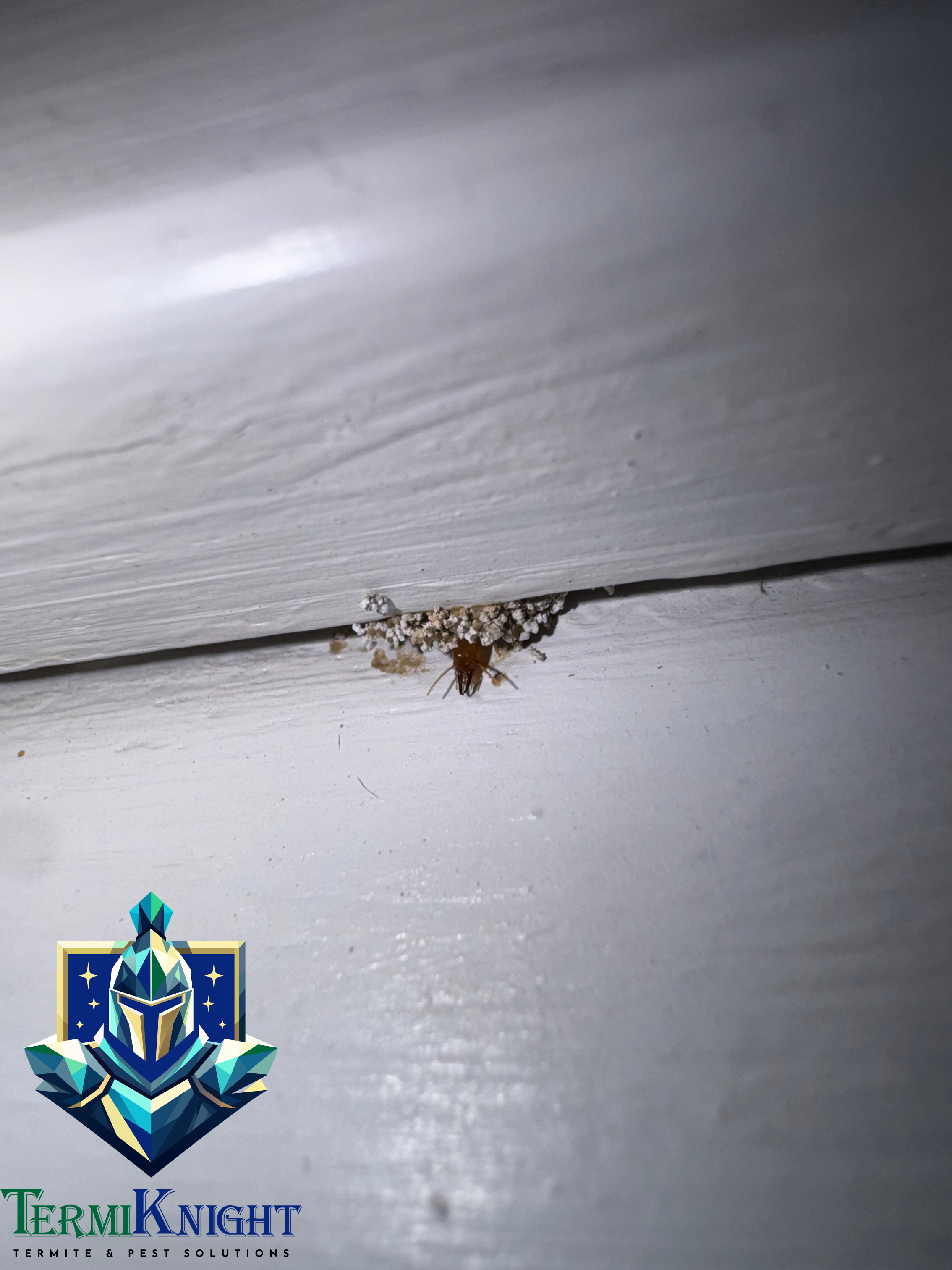
Once termites reach these openings, they begin building protected mud tubes that allow workers to travel safely between the soil and your home’s wooden structure.
Bathrooms, kitchens, laundry rooms, and water heater closets are common locations where plumbing penetrations exist.
Many termite infestations discovered around shower walls actually began beneath the slab years earlier.
Entry Point #3: Stem Walls and Foundation Cracks
Even properly constructed foundations can eventually develop small cracks.
As homes naturally settle over time, tiny foundation cracks sometimes appear.
Most of these cracks don’t create structural concerns.
However, they may provide another hidden pathway for subterranean termites.
Termites don’t require large openings.
Their bodies are soft and extremely small, allowing them to squeeze through spaces homeowners would never notice.
Professional termite control in Surprise AZ focuses on protecting the entire perimeter of the structure because termites rarely limit themselves to one predictable entry point.
Entry Point #4: Stucco Extending Below Grade
Many Arizona homes feature stucco that extends close to the soil.
While this creates an attractive appearance, it can also hide termite activity.
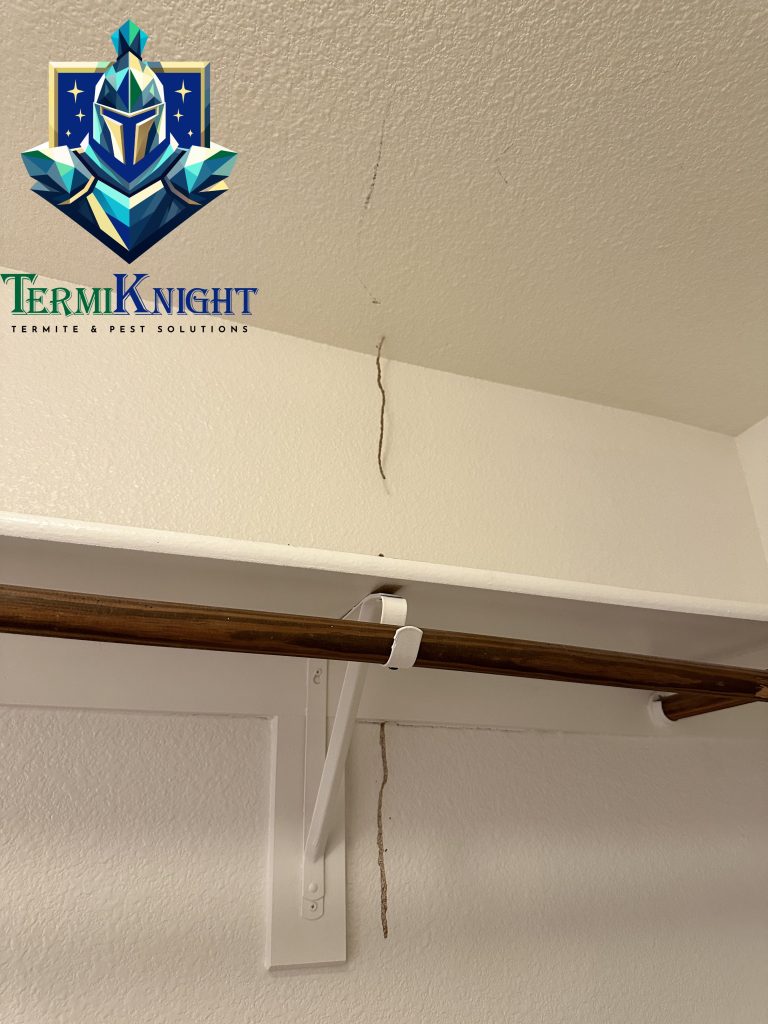
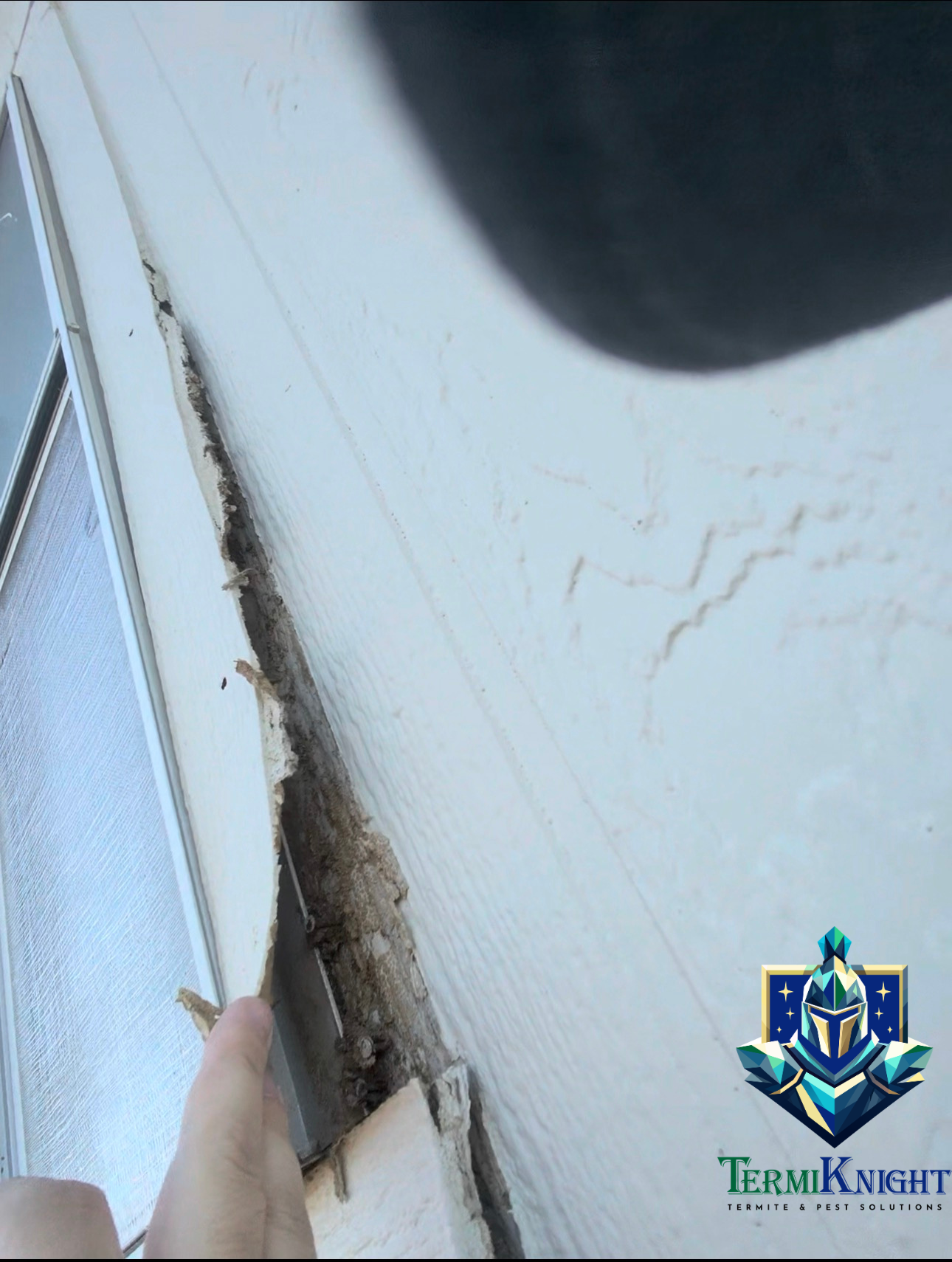
When stucco extends below finished grade, termites may construct mud tubes behind the stucco where homeowners can’t easily see them.
This is one reason professional inspections involve carefully examining the lower portion of the home’s exterior.
Visible mud tubes aren’t always present.
Sometimes the only evidence is slight staining, tiny dirt accumulations, or subtle moisture changes near the foundation.
Because termite activity often remains concealed, annual inspections become extremely valuable.
Entry Point #5: Landscaping Against the Foundation
Trees, shrubs, decorative bark, wood mulch, railroad ties, and stacked firewood may all create favorable conditions for termites.
While landscaping doesn’t automatically cause termites, it can provide moisture and concealment around the home’s foundation.
Dense vegetation may also make routine inspections more difficult.
Keeping shrubs trimmed away from the structure and avoiding direct wood-to-soil contact helps reduce conditions favorable for subterranean termites.
This doesn’t eliminate the risk, but it makes early detection much easier.
Why You Usually Never See Termites Enter
One of the biggest misconceptions homeowners have is believing they’ll eventually catch termites crawling across the ground.
In reality, subterranean termites avoid open air whenever possible.
Instead, they travel through underground tunnels and mud tubes that protect them from sunlight, heat, and dehydration.
By the time worker termites reach the wooden framing inside your home, they’ve often traveled dozens of feet completely out of sight.
That’s why many homeowners are surprised when an inspection reveals termite activity despite never seeing a single live termite.
Professional termite treatment in Surprise AZ focuses on interrupting these hidden travel routes rather than waiting until termites become visible.
Entry Point #6: Attached Patios, Garage Slabs, and Concrete Additions
Attached patios, garage slabs, sidewalks, and other concrete additions can create hidden termite entry points around a home.
These areas may look solid from the surface, but small construction joints often exist where two sections of concrete meet. Subterranean termites can travel through these gaps and reach the structure without exposing themselves above ground.
Floating slabs are another common concern in Arizona homes. These slabs may require drilling during a professional termite treatment so the soil beneath or beside the concrete can be properly treated.
Post-tension foundations are handled differently. Because post-tension cables run through the slab, interior drilling is generally avoided. Treatment is instead focused on accessible exterior soil, expansion joints, patios, garages, plumbing areas, and other approved application points.
A knowledgeable termite control company should understand how different Arizona foundations are constructed before beginning treatment. The goal is to protect the home without unnecessarily damaging the slab or interfering with post-tension cables.
This is another reason homeowners should choose a company experienced with termite control in Surprise AZ and familiar with the construction methods commonly used throughout the West Valley.
Entry Point #7: Wood-to-Soil Contact
Subterranean termites live in the soil, so any wood touching the ground can provide easy access to food.
Common examples include:
- Fence posts
- Wood siding
- Patio supports
- Landscape timbers
- Railroad ties
- Firewood
- Tree stumps
- Construction debris
- Wooden planter boxes
- Cardboard stored outside
Even when these materials are not physically attached to the home, they can support termite activity close to the foundation.
Firewood should be stored away from the structure and elevated off the ground whenever possible. Dead tree roots, buried wood, cardboard, and leftover construction materials should also be removed from areas near the house.
Wood-to-soil contact does not guarantee that termites will enter your home, but it gives nearby colonies another dependable food source. Once termites are active close to the foundation, the distance they must travel to reach the structure becomes much shorter.
Reducing these conditions is an important part of long-term termite prevention, but it does not replace professional treatment when an active infestation is already present.
How Professional Termite Control Helps Stop Hidden Entry
Because subterranean termites can enter through so many concealed locations, treating only the visible mud tube is rarely enough.
Professional termite control in Surprise AZ focuses on creating a treated zone around the structure. Depending on the construction of the property, this may involve:
- Trenching soil beside the foundation
- Rodding treatment into the soil
- Drilling attached concrete where required
- Treating expansion joints
- Treating plumbing penetrations
- Applying foam into accessible wall voids
- Treating garage and patio areas
- Inspecting the entire structure for additional activity
The goal is to intercept worker termites as they travel between the underground colony and the home.
Termidor HE is a non-repellent termite product. Termites cannot easily detect the treated soil, so they continue moving through it. Exposed workers can then transfer the active ingredient to other members of the colony through normal contact and food sharing.
This transfer effect is important because the termite queen is not normally living inside the damaged wall. She may be located deep underground, sometimes as far as 25 feet below the surface.
A mature queen may lay approximately 300 to 500 eggs per day. Eliminating a few visible workers will not stop a colony that continues replacing them.
Professional treatment is designed to affect the colony through the workers that repeatedly travel between the soil and the structure.

Why Bait Stations May Not Be the Best Choice for Every Home
Some termite companies rely primarily on bait stations placed around the property.
Bait systems can work in certain situations, but they depend on termites locating the stations and feeding on the bait. There is no guarantee that the colony attacking the home will immediately find every station.
Conditions around Arizona homes can also create challenges.
Leaking irrigation, poor drainage, monsoon moisture, and overwatering may allow mold to develop inside or around bait stations. Termites naturally avoid heavily moldy materials, which may reduce feeding activity.
Bait systems also commonly require recurring monitoring and annual renewal fees.
For homeowners already surrounded by heavy termite pressure, including areas that may have up to 20 colonies per acre, many prefer a direct soil treatment around the structure rather than waiting for termites to discover individual bait stations.
When comparing options for termite treatment in Surprise AZ, ask how the treatment works, how quickly protection begins, and whether future annual fees will be required.
What Surprise Homeowners Can Do to Reduce Termite Risk
No home in Arizona can be made completely termite-proof, but homeowners can reduce conditions that make termite activity easier to establish.
Start by walking around the exterior of your property and checking for:
- Leaking irrigation lines
- Soil piled against stucco
- Wood touching the ground
- Firewood stored beside the house
- Dense plants blocking the foundation
- Mud tubes on stem walls
- Cracks around plumbing penetrations
- Moist soil that never fully dries
- Cardboard or lumber stored in the garage
Correcting these issues can make future termite activity easier to detect.
Homeowners should also avoid disturbing mud tubes before an inspection. Leaving the tubes intact allows a professional to evaluate their location and determine whether activity may still be present.
Annual termite inspections are especially valuable for homes that have experienced previous activity. A past treatment lowers the risk, but it does not mean the surrounding area no longer contains termites.
Frequently Asked Questions About Termite Entry in Surprise AZ
Can termites enter a brand-new home?
Yes. New homes can develop termite activity just like older homes. Subterranean termites already live in the soil, and new construction does not remove every surrounding colony.
Can termites come through concrete?
Termites do not normally eat through sound concrete. They travel through extremely small cracks, expansion joints, plumbing gaps, construction joints, and other openings around or beneath it.
Do mud tubes always mean termites are active?
Not necessarily. Some tubes may be abandoned, while others may contain active workers. A professional inspection is the best way to determine whether treatment is needed.
Will spraying a mud tube eliminate the colony?
No. A surface spray may kill the termites inside that section of the tube, but the queen and most of the colony remain underground.
How small of an opening do termites need?
Subterranean termites can enter through extremely narrow gaps that homeowners may never notice. This is why visible inspection alone cannot identify every potential entry point.
Protect Your Home With Professional Termite Control in Surprise AZ
Subterranean termites do not need a large opening or an obvious path into your home.
They can enter through expansion joints, plumbing penetrations, foundation cracks, concealed stucco areas, landscaping, attached concrete, and wood-to-soil contact. Once inside, they may remain hidden for months or years while feeding on structural wood.
Professional termite control in Surprise AZ is designed to address the entire structure rather than one visible area.
A complete inspection can identify current activity, hidden entry points, and conditions that may increase future risk.
Arizona is currently in its second termite swarming season, which generally runs from July through September. If you have noticed mud tubes, discarded wings, flying swarmers, or unexplained damage, now is a good time to have your property evaluated.
Schedule Your Free Termite Inspection
TermiKnight Termite & Pest Solutions specializes in professional termite control throughout Surprise and the West Valley.
✔️ Free termite inspections
✔️ $400 OFF termite treatment
✔️ Termidor HE treatments
✔️ 5-year warranty, renewable up to 10 years
✔️ No annual renewal fee for the first 5 years
✔️ Transferable warranty
✔️ TARF recorded with the Arizona Department of Agriculture
📞 Call or text: (623) 241-2598
🏰 Protect your Castle with TermiKnight!



Leave a Reply