


If you are searching for termite control in Surprise AZ, there is a good chance you are trying to answer one of two questions: Do I already have termites, or what can I do to keep termites from damaging my home?
Both are important questions because subterranean termites are extremely common throughout Arizona. They live underground, travel through hidden tunnels, and can reach the wooden structure of a home without homeowners ever seeing them cross the yard.
The biggest mistake homeowners can make is assuming that no visible termites means no termite problem.
Subterranean termites spend most of their lives hidden from view. They can enter through tiny construction gaps, plumbing penetrations, expansion joints, foundation cracks, attached concrete, and other concealed areas around a home.
Professional termite control in Surprise AZ focuses on more than simply killing the termites that happen to be visible. The goal is to identify how termites are reaching the structure, address active infestations, and provide long-term protection against the constant termite pressure found throughout the West Valley.
The good news is that homeowners can take practical steps to reduce their risk. Here are 10 smart ways to protect your property and avoid the costly mistakes that can allow subterranean termites to remain undetected.
1. Schedule an Inspection Before You See Major Damage
One of the best things a homeowner can do is have suspicious activity inspected before visible structural damage becomes severe.
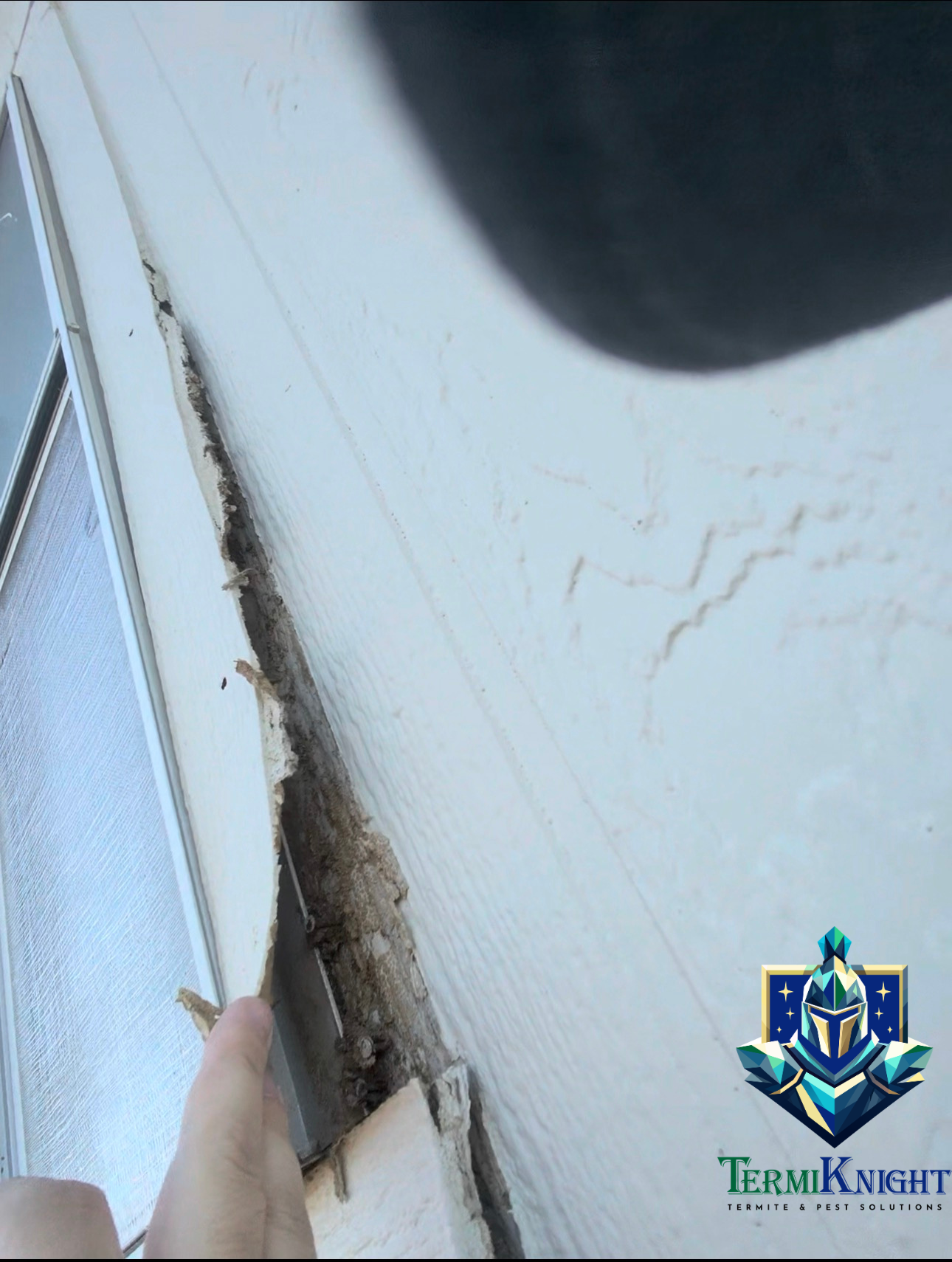
Termites do not normally eat wood from the outside inward. They frequently consume the softer interior portions of wood while leaving a thin exterior surface intact.
That means a piece of wood can look normal while significant damage exists underneath.
Possible warning signs include:
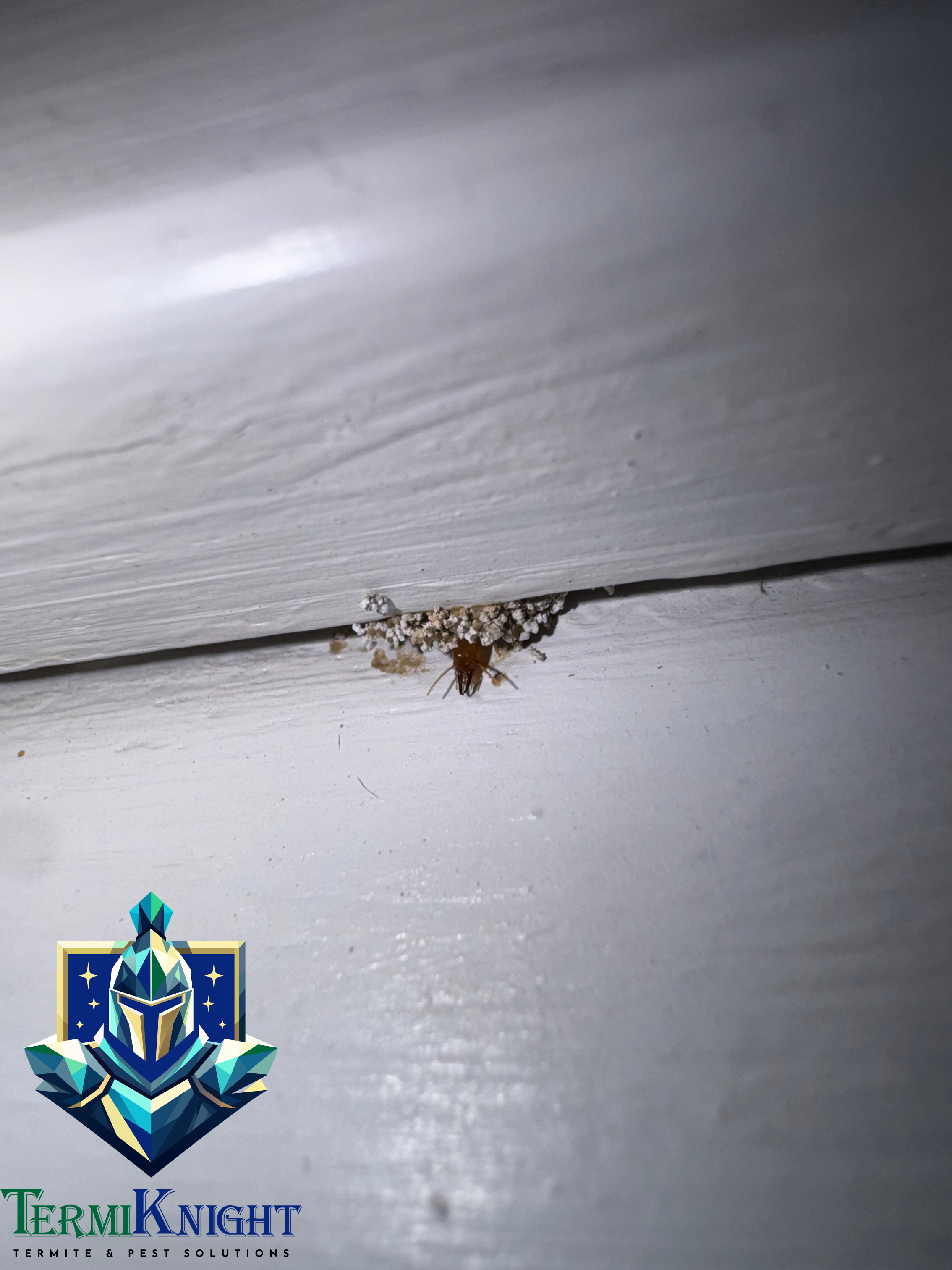
- Mud tubes along the foundation
- Bubbling or peeling paint
- Hollow sounding wood
- Soft baseboards
- Discarded wings
- Flying termite swarmers
- Unexplained damage around doors or windows
- Wood that feels unusually soft when pressed
Homeowners sometimes wait because the evidence looks minor. Unfortunately, the size of a mud tube does not tell you the size of the underground colony.
A small visible area may simply be one entry point being used by a much larger colony.
Early detection gives you more information and more options before additional damage occurs.
2. Understand That Arizona Has Two Termite Swarming Seasons
Many homeowners think termite season happens only during spring.
Arizona is different.
We typically experience two major termite swarming seasons:
- March through May
- July through September
During these periods, mature termite colonies produce winged reproductive termites called swarmers.
Swarmers leave established colonies and attempt to create new ones. You may notice them near windows, patio doors, garages, exterior lights, or other areas where they are attracted to light.
Seeing swarmers does not automatically mean they came from inside your home, but it does tell you something important.
There are mature termite colonies nearby.
That is particularly important in areas of Arizona where there may already be up to 20 subterranean termite colonies per acre.
Even if your home has never experienced termite activity, nearby colonies are constantly searching through the soil for new cellulose food sources.
Your home does not have to be old to become one of them.

3. Do Not Assume a Newer Home Is Safe
This is one of the most common misconceptions I hear from homeowners.
“My house is only a few years old. How could I already have termites?”
The age of the home is not what attracts subterranean termites.
Termites were living in Arizona soil long before the subdivision was constructed.
When new neighborhoods are developed, homes are built directly within existing termite habitat. Landscaping, irrigation, trees, plants, and moisture are then added around those structures.
A newer home can experience termite activity just like an older home.
Termites may enter through:
- Plumbing penetrations
- Expansion joints
- Stem walls
- Foundation cracks
- Garage slabs
- Attached patios
- Construction joints
- Areas where soil or rock hides the bottom of the stucco
Professional termite control should account for how the home was constructed instead of assuming every property requires the exact same treatment.
4. Keep Irrigation and Excess Moisture Away From the Foundation
Subterranean termites require moisture to survive.
That does not mean water causes termites. The colonies already exist underground.
However, consistently damp soil can create favorable conditions around a home’s foundation.
Common moisture problems include:
- Broken drip irrigation lines
- Sprinklers hitting exterior walls
- Overwatered shrubs
- Poor drainage
- Roof runoff
- Air conditioner condensate
- Leaking outdoor faucets
- Pool equipment leaks
- Plumbing problems beneath or inside the structure
After irrigation runs or a monsoon storm passes through, walk around the property.
Look for soil that remains unusually wet beside the foundation. Check beneath decorative rock because moisture may remain hidden below the surface.
You should also inspect around plants and irrigation emitters located close to exterior walls.
Reducing unnecessary moisture will not eliminate an existing termite colony, but it can help reduce favorable conditions around the structure and make future activity easier to detect.
5. Maintain a Visible Foundation Inspection Area
Arizona landscaping can sometimes hide exactly where termites are most likely to reveal themselves.
Decorative rock, soil, mulch, and landscaping should not completely cover the bottom of the home’s stucco.
When the exterior finish extends below grade or landscaping is piled too high, termites may be able to travel behind the stucco without building an easily visible mud tube on the outside.
That means activity can remain hidden much longer.
Maintaining a visible inspection area around the lower portion of the home makes it easier to spot:
- Mud tubes
- Moisture
- Foundation cracks
- Construction gaps
- Plumbing entry points
- Other suspicious activity
Dense shrubs can create a similar problem.
Plants do not need to be removed simply because they are near the home, but keeping vegetation trimmed allows homeowners and termite professionals to inspect the foundation properly.
Good termite control in Surprise AZ begins with being able to see the areas termites are most likely to use.
6. Remove Wood and Cellulose That Is Sitting on the Soil
Subterranean termites feed on cellulose.
Cellulose is found in many materials homeowners commonly store around the property, including:
- Firewood
- Lumber
- Cardboard
- Tree stumps
- Dead roots
- Wooden planter boxes
- Landscape timbers
- Construction debris
- Paper products
A stack of lumber sitting directly on damp soil provides termites with an easy food source.
Cardboard can be particularly attractive when it becomes damp.
This does not mean a piece of wood in your backyard will automatically cause termites to enter your house. It does mean you are providing another cellulose source close to the structure.
Firewood should be elevated and stored away from the house whenever possible.
Unused lumber, cardboard, and old construction materials should also be removed instead of being left against exterior walls or sitting on garage floors where moisture may collect.
Reducing these conditions gives termites fewer reasons to remain close to your foundation.
7. Do Not Rely on Surface Sprays to Solve an Underground Problem
Finding termites inside the home often creates an understandable urge to immediately spray them.
The problem is that the termites you can see represent only a small part of the colony.
Subterranean termites live primarily underground.
The queen can be located deep beneath the surface and may produce approximately 300 to 500 eggs every day.
Some subterranean termite colonies can extend surprisingly deep into the soil, with queens potentially located many feet underground.
Spraying a visible group of workers may kill those individual termites, but it does little to the colony producing them.
Another group can simply take their place.
This is why professional termite treatment in Surprise AZ is designed to address how termites travel between the underground colony and the structure.
The objective should not be to kill the five termites you can see.
The objective should be to stop the colony that sent them there.
8. Know the Difference Between Bait Stations and a Continuous Treated Zone
Homeowners are frequently presented with two broad approaches to subterranean termite control: bait systems and liquid soil treatments.
Understanding the difference is important.
Bait stations are installed at individual points around the property. The system depends on foraging termites discovering a station and feeding on the bait.
Because stations are placed apart from one another, there are untreated spaces between them.
I have personally inspected properties where bait stations were present around the home while termites continued attacking the structure.
Termites do not know they are supposed to enter the station.
If they encounter the house first, they may continue toward the structure instead.
There is another consideration in Arizona: moisture.
Irrigation leaks, poor drainage, and monsoon weather can contribute to mold and unfavorable conditions inside or around bait stations. Termites may avoid heavily moldy feeding material, which is one reason bait systems require regular inspection and maintenance.
With some areas already experiencing as many as 20 subterranean termite colonies per acre, I prefer not to depend on attracting or waiting for termites to find individual bait locations.
Termidor HE takes a different approach.
The objective is to create a continuous treated zone around the structure wherever the construction allows.
Termidor HE is non-repellent, meaning termites do not readily detect the treated soil and avoid it. Workers can travel through the treated area and transfer the active ingredient to other termites through normal contact and social behavior.
Rather than leaving large untreated gaps between individual stations, the treatment is designed to protect the structure termites are trying to reach.

9. Compare the Entire Termite Proposal, Not Just the Price
When homeowners receive multiple estimates, the first thing they naturally compare is price.
There is nothing wrong with wanting a good value.
The problem comes when two very different treatments are compared as if they are identical.
Before choosing a termite company, ask:
- What product are you using?
- Are you treating the entire structure?
- Is this a spot treatment or full treatment?
- Will attached concrete be treated where required?
- What happens around plumbing?
- How long is the warranty?
- Are there annual renewal fees?
- Is the warranty transferable?
- What happens if termites return?
- Will the treatment be properly documented?
A proposal that is several hundred dollars cheaper may not look as inexpensive after annual renewal fees are added for five or ten years.
Likewise, a spot treatment may cost less today but leave the remaining structure without warranty protection.
At TermiKnight, our full Termidor HE termite treatments include a 5-year initial warranty with no annual renewal fee during those first five years. The warranty can then be renewed annually for continued protection up to 10 years.
The warranty is also transferable.
Price should absolutely be part of the decision.
It just should not be the only part.
10. Choose Long-Term Protection Instead of Waiting for the Next Infestation
This may be the most important point of all.
Arizona termites are not going away.
You can eliminate a colony attacking your home, but that does not remove the other colonies living throughout the surrounding soil.
Professional termite control in Surprise AZ should therefore accomplish two things:
- Address the termite activity you have today.
- Provide protection against future termite pressure around the structure.
That is why I prefer whole-house treatment instead of simply treating one visible area whenever long-term protection is the goal.
A spot treatment can address localized activity, but it does not provide the same protection or warranty as treating the entire structure.
Think of termite protection the same way you would think about protecting your roof or foundation.
You are not only repairing today’s problem.
You are protecting the value of the home going forward.
Why Termidor HE Is My Preferred Termite Treatment
After years of working with subterranean termites in Arizona, I prefer Termidor HE because it allows me to directly protect the structure instead of relying on termites to locate individual bait stations.
Treatment requirements depend on how the home was built, but a typical application may involve:
- Trenching soil around the foundation
- Rodding the treatment into the soil
- Treating expansion joints
- Drilling attached concrete where appropriate
- Treating garage and patio areas
- Addressing plumbing penetrations
- Applying foam into accessible wall voids where necessary
Post-tension slabs are approached differently because drilling into the interior slab should generally be avoided. Understanding the home’s construction is an important part of designing the treatment correctly.
Floating slabs, patios, garages, and other attached concrete may require different application methods.
There should never be a cookie-cutter termite treatment for every home.
What Happens During a Professional Termite Inspection?
A termite inspection should do more than confirm that the mud tube you found is actually a termite tube.
The technician should evaluate the structure and look for evidence that helps explain how termites are accessing the home.
Important areas include:
- Exterior foundation
- Stem walls
- Plumbing penetrations
- Expansion joints
- Garage walls
- Patios
- Areas with moisture
- Stucco near the soil line
- Previous termite treatment areas
- Visible wood damage
- Mud tubes
- Swarm evidence
The objective is to understand the property before recommending treatment.
If you find suspected termite activity before an inspection, try not to destroy the evidence.
Mud tubes, damaged areas, and swarm locations can provide valuable clues about where termites are coming from.
What If You Only Have Termites in One Small Area?
This is another question homeowners frequently ask.
If termites appear in one bathroom, garage wall, or exterior location, why treat the whole house?
Because the visible activity only tells us where termites were discovered.
It does not necessarily tell us the full extent of their underground foraging system.
The colony may have access to other portions of the structure that have not produced visible evidence yet.
A partial or spot treatment can be performed in certain situations, but it does not provide the same level of protection as a complete treatment.
That is also why I do not provide a whole-house termite warranty on partial treatments.
If long-term protection and a transferable warranty are important, treating the complete structure is generally the stronger option.
Termite Documentation Can Matter When You Sell or Refinance
Termites also have a connection to real estate that many homeowners do not think about until years later.
Previous termite activity may come up when a property is sold, refinanced, or inspected.
Having clear documentation showing:
- When the treatment was performed
- What product was used
- Which areas were treated
- The warranty provided
- Whether the warranty transfers
can make future transactions easier.
TermiKnight records the appropriate TARF documentation with the Arizona Department of Agriculture for qualifying termite treatments.
A transferable termite warranty can also be valuable to a future buyer because it provides documentation that the property was professionally treated and remains covered according to the warranty terms.
Why August Is an Important Time for Termite Control
August falls directly within Arizona’s second termite swarming season.
Monsoon moisture and increased humidity can make termite activity more noticeable, especially around exterior lighting, windows, patios, garages, and areas with moist soil.
Homeowners may suddenly notice:
- Flying swarmers
- Discarded wings
- Fresh mud tubes
- New activity near plumbing
- Termite evidence around patios or garages
Do not assume these signs will disappear when temperatures change.
The swarm may end, but the underground colony remains.
If you see activity, an inspection can determine whether it is associated with the structure and whether treatment is recommended.
Protect Your Home With Professional Termite Control in Surprise AZ
The best termite strategy is not panic.
It is preparation.
Understand what termites are doing, remove conditions that make inspections difficult, correct unnecessary moisture problems, and have suspicious activity evaluated before significant damage occurs.
Most importantly, compare termite companies based on the entire treatment, not simply the price at the bottom of the proposal.
Ask about the product.
Ask how the structure will be treated.
Ask whether there will be gaps in protection.
Ask about annual fees.
Ask about the warranty.
Ask what happens if termites return.
Professional termite control in Surprise AZ should give you confidence that your home is protected today and that you have a plan if termite activity returns in the future.
Schedule Your Free Termite Inspection
If you have found mud tubes, termite swarmers, discarded wings, suspicious wood damage, or simply want to know whether your home shows signs of termite activity, TermiKnight offers free termite inspections throughout Surprise and the West Valley.
I will inspect the property, explain what I find, and walk you through the treatment options without pressure.
✔️ Free termite inspections
✔️ $400 OFF termite treatment
✔️ Termidor HE treatments
✔️ 5-year initial warranty, renewable up to 10 years
✔️ No annual renewal fee for the first 5 years
✔️ Transferable warranty
✔️ TARF recorded with the Arizona Department of Agriculture
📞 Call or text: (623) 241-2598
🏰 Protect your Castle with TermiKnight!



Leave a Reply