

Buying or selling a home is one of the biggest financial decisions most people will ever make. Between inspections, appraisals, financing, repairs, and closing paperwork, it is easy for termite protection to become an afterthought.
Unfortunately, termites do not care whether a property is listed for sale, under contract, or preparing for closing.
If you are researching termite control in Surprise AZ, understanding how termite inspections, treatment records, and transferable warranties affect real estate transactions can help you avoid unexpected expenses and last-minute complications.
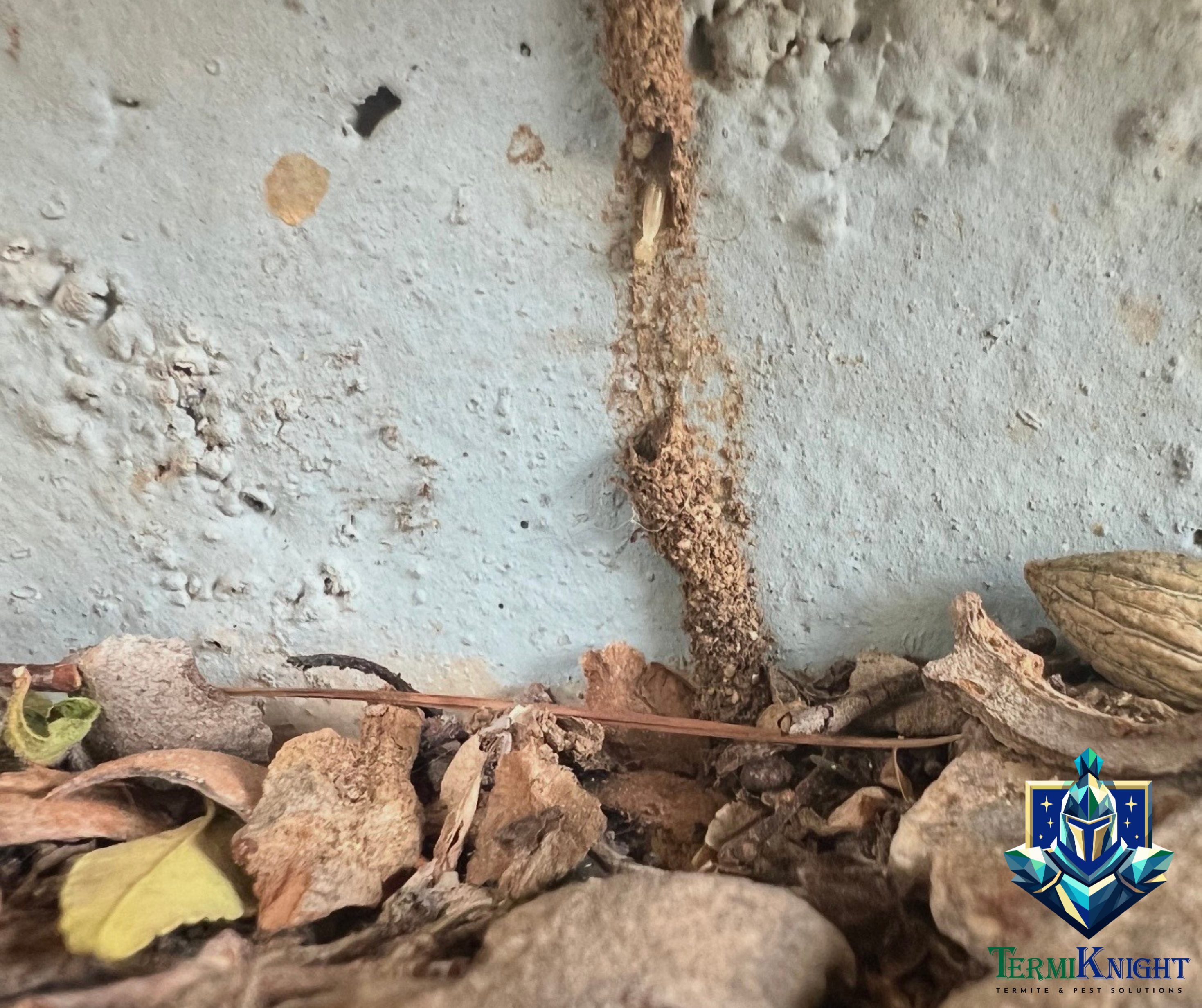
Arizona is home to significant populations of subterranean termites. These insects live underground, travel through protected tunnels, and can enter homes through tiny openings around foundations, plumbing penetrations, expansion joints, and attached concrete.
Some areas of Arizona may have up to 20 subterranean termite colonies per acre. Even if a home has never experienced visible activity, nearby colonies may eventually discover the structure.
Professional termite control in Surprise AZ is about more than eliminating an active infestation. It can also provide documentation, warranty protection, and peace of mind when ownership changes.
Whether you are purchasing your first home, preparing to sell, refinancing, or simply planning to stay in your property for many years, here are 10 important things every Arizona homeowner should understand about termites and real estate.
1. Do Not Assume a General Home Inspection Includes a Complete Termite Inspection
One of the most common misconceptions among homebuyers is believing that a general home inspection automatically includes a thorough inspection for wood-destroying insects.
A general home inspector evaluates many important components of a property, including electrical systems, plumbing, roofing, heating, cooling, and visible structural conditions.
However, a dedicated termite inspection focuses specifically on evidence of wood-destroying organisms and conditions that may contribute to an infestation.
These are two different services.
A professional termite inspection may evaluate:
- Accessible foundation areas
- Stem walls
- Garage walls
- Plumbing penetrations
- Expansion joints
- Attached patios
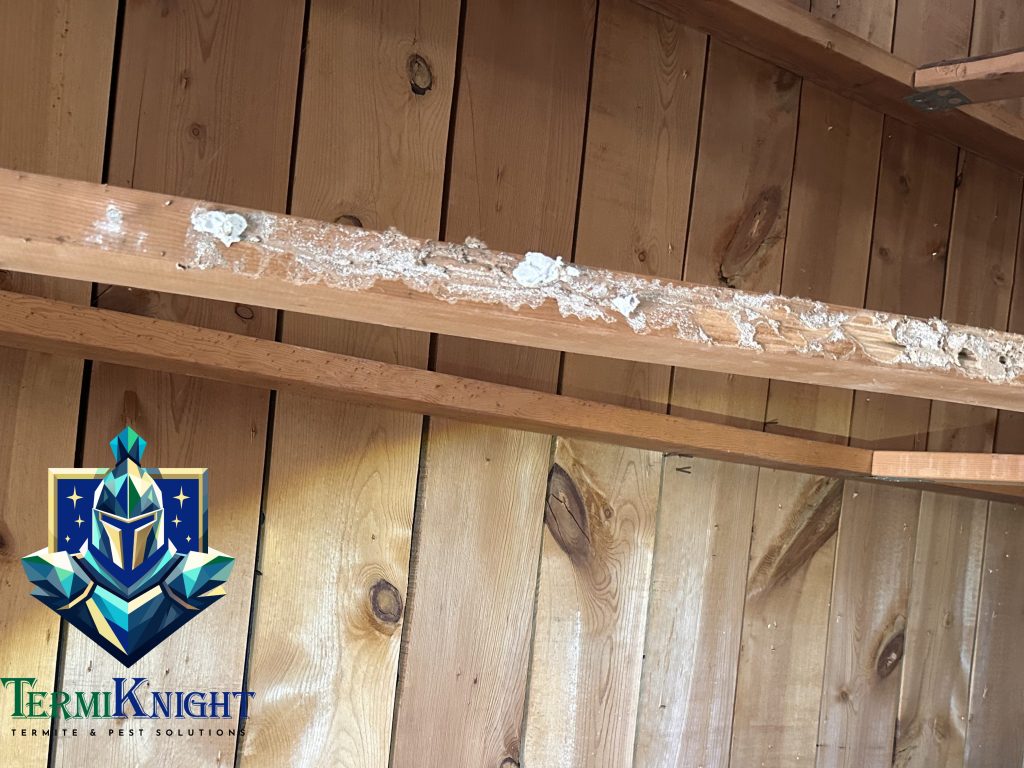
- Visible wood damage
- Mud tubes
- Previous treatment evidence
- Areas with excessive moisture
- Accessible interior and exterior areas
A home may pass a general inspection while still having concealed termite activity.
This does not mean the home inspector performed poorly. Subterranean termites are simply difficult to detect because much of their activity occurs underground or inside concealed construction.
If you are purchasing a home in Surprise or anywhere throughout the West Valley, make sure you understand exactly what inspections are included in your transaction.
2. Know the Difference Between a Free Termite Inspection and a WDIIR
Not every termite inspection produces the same documentation.
At TermiKnight, I offer free termite inspections for homeowners who want to know whether their property shows signs of termite activity.
A free inspection is an excellent starting point when you notice mud tubes, swarmers, suspicious wood damage, or simply want to know whether treatment is recommended.
However, real estate transactions may require a formal report.
In Arizona, this is commonly called a Wood-Destroying Insect Inspection Report, or WDIIR.
A WDIIR documents inspection findings using the applicable Arizona reporting requirements.
It is different from having someone simply walk around your house and verbally tell you whether termites are present.
A formal report can be important when a buyer, lender, title company, or other party requires documented findings.
TermiKnight offers WDIIR reports for $97.
If you are purchasing or selling a home, confirm which inspection documents are required for your particular transaction before scheduling.
3. Understand That Previous Termite Activity Does Not Automatically Mean a Home Is a Bad Purchase
Finding out that a house had termites in the past can make buyers nervous.
That reaction is understandable, especially when you consider the potential cost of structural repairs.
However, previous termite activity does not automatically mean a property has an ongoing infestation or severe structural damage.
Arizona has significant termite pressure.
Many homes eventually experience some form of subterranean termite activity during their lifetime.
The more important questions are:
- When was the activity discovered?
- Was the infestation professionally treated?
- What product was used?
- Was the entire structure treated?
- Is there an active warranty?
- Has activity returned?
- Was any structural damage repaired?
- Is documentation available?
A home with previous termite activity and a properly documented treatment may be easier to evaluate than a home with no treatment records and no recent inspection.
The goal is to understand the actual condition of the property rather than assume that every previous infestation represents the same level of risk.
4. Ask Whether the Home Has a Transferable Termite Warranty
This is one of the most important questions I recommend asking when purchasing a home.
If the property was previously treated, does the termite warranty transfer to the new owner?
Not every company offers transferable coverage.
Some warranties terminate when ownership changes. Others may require inspections, transfer paperwork, renewal fees, or additional conditions.
A transferable warranty can be valuable because the new homeowner may receive continued protection according to the original treatment agreement.
Before closing, ask for:
- The original termite treatment proposal
- The treatment date
- The product used
- The warranty document
- Any renewal history
- Transfer requirements
- Records of subsequent inspections or retreatments
At TermiKnight, our complete Termidor HE treatments include a 5-year initial warranty with no annual renewal fee during the first five years.
The warranty can then be renewed annually for continued coverage up to 10 years.
Our warranty is also transferable.
That means a homeowner who sells their property during the covered period can pass the remaining warranty protection to the next owner, subject to the warranty terms.
When comparing options for termite treatment in Surprise AZ, warranty transferability is worth considering even if you have no immediate plans to sell.
5. Do Not Assume a Builder’s Original Termite Pre-Treatment Provides Lifetime Protection
New construction is extremely common throughout Surprise and the surrounding West Valley.
Many homeowners understandably assume that a newly built home will not need termite treatment for decades because the builder already performed a pre-treatment.
New construction termite pre-treatments are valuable, but they should not be viewed as permanent lifetime protection.
Subterranean termites existed in Arizona soil long before the subdivision was constructed.
Building a new house does not eliminate every termite colony in the surrounding area.
Over time, several things may change around the property:
- Soil may be disturbed during landscaping.
- New irrigation systems may be installed.
- Pavers or patios may be added.
- Concrete walkways may be constructed.
- Plants and trees may introduce additional moisture.
- Previously treated soil may be removed or relocated.
- New construction joints or access points may develop.
These changes can affect how termites approach the structure.
When purchasing a newer home, ask the builder for the original termite treatment information and find out whether any remaining warranty coverage is available.
Do not assume that the age of the property tells you everything about its termite protection.
6. Understand Why a Spot Treatment and a Whole-House Treatment Are Not the Same
Imagine a seller discovers termites around one bathroom shortly before closing.
The seller may naturally want the least expensive solution that addresses the immediate problem.
A localized spot treatment may be an option in certain circumstances.
However, buyers should understand that treating one bathroom is not equivalent to protecting the entire structure.
Subterranean termites live in the soil.
The bathroom is simply one location where worker termites managed to reach the wooden framing.
The same colony may have other underground foraging routes, and additional colonies may exist nearby.
Treating the visible area does not necessarily provide protection around the remainder of the home.
This difference becomes especially important when a buyer expects a transferable whole-house warranty.
At TermiKnight, I recommend complete structural treatment when long-term protection is the goal.
I offer localized spot treatments when appropriate and requested, but spot treatments do not include a whole-house termite warranty.
Homebuyers should understand exactly which areas were treated before assuming the entire property is protected.
7. Compare Treatment Methods Before Accepting a Seller’s Termite Proposal
Not every termite treatment uses the same product or application method.
If a seller agrees to have the property treated before closing, the buyer should understand what type of treatment is being performed.
Some companies use liquid soil treatments.
Others primarily install bait stations.
Some proposals include the complete structure, while others only address the area where activity was discovered.
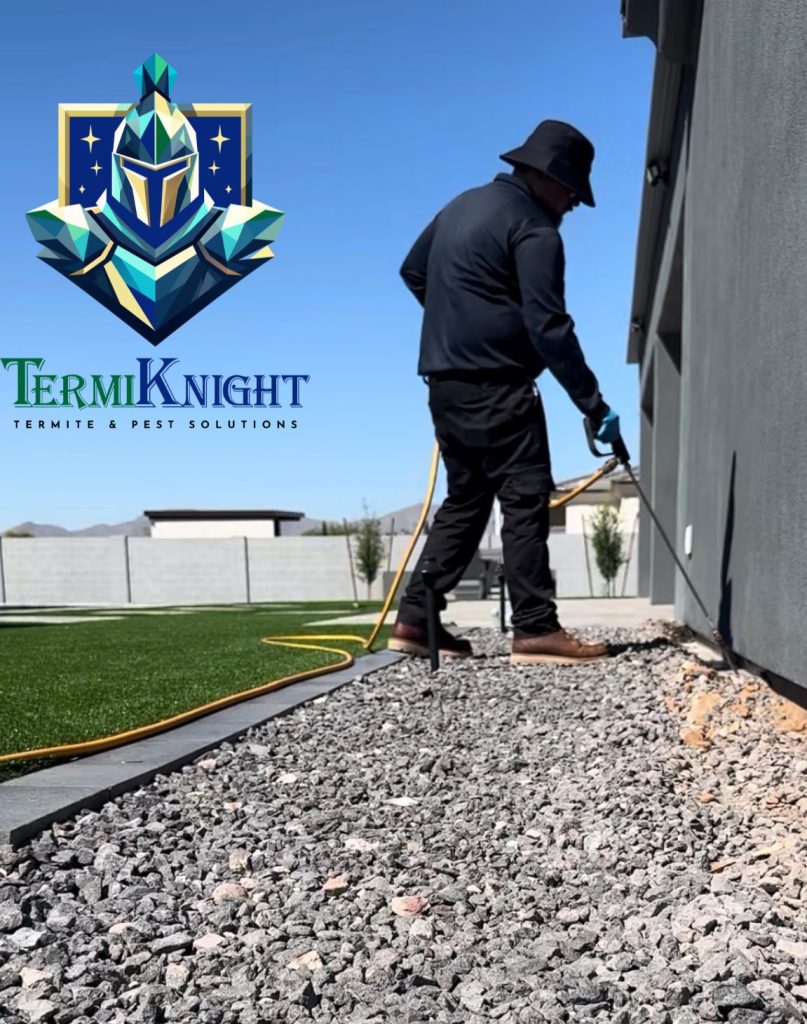
For post-construction termite treatments, I use Termidor HE.
Termidor HE is a non-repellent liquid termiticide designed to treat soil around and beneath structures according to the product label and the property’s construction.
The objective is to establish a continuous treated zone around the structure wherever treatment can be properly applied.
As worker termites move through treated soil, they become exposed to the active ingredient and can transfer it to other members of the colony through normal contact and social behavior.
This is different from relying on termites to discover individual bait stations.
Bait systems depend on foraging termites locating stations and consuming the bait. Because stations are installed at separate locations, they do not establish a continuous liquid-treated zone between those locations.
I have personally inspected properties where bait stations were already present while termites continued attacking the structure.
Bait systems can be useful in certain situations, but homeowners should understand their monitoring requirements, treatment limitations, and potential recurring fees.
If a seller is paying for termite treatment, ask to review the entire proposal rather than simply being told that the termite issue has been taken care of.
8. Make Sure the Termite Treatment Is Properly Documented
Documentation matters when ownership changes.
A verbal statement that the house was treated several years ago does not provide the same information as a complete treatment record.
In Arizona, qualifying termite treatments require appropriate documentation, including the applicable Termite Action Report Form, commonly called a TARF.
This paperwork can help establish important treatment details.
Homeowners should keep copies of:
- The original treatment proposal
- The treatment completion documentation
- The product information
- The warranty
- Relevant termite inspection reports
- Any retreatment documentation
- Warranty renewal or transfer records
At TermiKnight, I record the required TARF with the Arizona Department of Agriculture.
Keeping your termite paperwork organized can make future inspections and real estate transactions much easier.
It can also help a new homeowner understand what protection was purchased and what may still be covered.
9. Know Which Conditions Can Increase Termite Risk After Moving In
Purchasing a home with a professional termite treatment is an excellent starting point, but homeowners should still pay attention to changes around the property.
Subterranean termites require moisture to survive and continuously forage through the surrounding soil.
Certain conditions can make activity more favorable near the foundation.
These include:
- Leaking irrigation
- Poor drainage
- Soil piled against stucco
- Overwatered planters
- Wood mulch against the home
- Firewood stored directly on soil
- Cardboard stored on garage floors
- Plumbing leaks
- New patios or concrete additions
- Soil disturbances during landscaping
Correcting these conditions does not eliminate an active underground colony.
However, it can reduce favorable conditions and make termite evidence easier to identify.
One of the first things I recommend new homeowners do is walk the perimeter of their property and become familiar with the foundation.
Know what the area normally looks like.
If a new mud tube appears six months later, you are much more likely to notice it.
10. Do Not Wait Until Closing Week to Address a Termite Problem
Real estate transactions already involve enough moving parts.
Discovering a termite issue immediately before closing can create additional questions about inspections, treatment, documentation, warranties, and repairs.
That does not mean a termite discovery automatically prevents a home from selling.
The outcome depends on the actual findings, transaction terms, applicable requirements, and what the parties agree to do.
However, addressing termite concerns earlier usually gives everyone more time to understand the available options.
If you are planning to list your property, consider arranging an inspection before the listing goes live.
If you are buying, make sure the termite inspection is scheduled early enough to review the findings and any recommended treatment.
A little preparation can help prevent an avoidable last-minute surprise.
What Happens During a Professional Termite Inspection Before a Home Sale?
A professional termite inspection should evaluate accessible areas of the property for evidence of wood-destroying insects and conditions relevant to the inspection.
Depending on the property, important areas may include:
- Exterior foundation
- Garage walls
- Plumbing penetrations
- Expansion joints
- Patio connections
- Accessible interior walls
- Baseboards
- Visible wood damage
- Mud tubes
- Moisture conditions
- Previous treatment evidence
The inspection findings help determine whether further evaluation or treatment is recommended.
If the inspection reveals suspected structural damage, a separate evaluation by an appropriately qualified professional may be necessary to determine the extent of the damage and any required repairs.
A termite treatment addresses termite activity. It does not automatically repair wood that has already been damaged.
Understanding that distinction is important for both buyers and sellers.
Why Termite Control Is Especially Important in Surprise AZ
Surprise and the surrounding West Valley have experienced extensive residential development.
New communities continue expanding into areas where subterranean termites naturally live.
Once homes are constructed, landscaping and irrigation can introduce additional moisture into the surrounding soil.
Arizona also experiences two major termite swarming seasons:
- March through May
- July through September
During these periods, mature colonies release winged reproductive termites that attempt to establish new colonies.
The end of swarming season does not mean the underground colonies disappear.
Workers may continue foraging and feeding on wooden structures throughout the year as conditions allow.
This is why termite control in Surprise AZ should be treated as ongoing home protection rather than a concern that only matters when someone is buying or selling.
Frequently Asked Questions About Termites and Real Estate
Can you sell a house that previously had termites?
Previous termite activity does not automatically prevent a home from being sold. Buyers and sellers should understand the inspection findings, treatment history, any damage, applicable disclosure obligations, and the requirements of their particular transaction.
Does every home sale require a termite inspection?
Requirements vary depending on financing, transaction terms, lender requirements, and other circumstances. Buyers should confirm what is required for their specific purchase rather than assume every transaction follows the same rules.
Is a free termite inspection the same as a WDIIR?
No. A free termite inspection can help determine whether termite activity is present and whether treatment is recommended. A WDIIR is a formal wood-destroying insect inspection report that may be needed for a real estate transaction.
Can termite damage be repaired after treatment?
Yes. Treating the termites and repairing the damage are separate steps. The appropriate repair depends on the location and severity of the damage. Significant structural concerns should be evaluated by a qualified professional.
Can a termite warranty transfer to a new homeowner?
Some termite warranties are transferable and others are not. Always review the specific warranty terms. TermiKnight’s complete Termidor HE treatment warranty is transferable according to the warranty agreement.
Should I treat my house before listing it for sale?
Not every property needs a new treatment before listing. If an inspection identifies active termite activity, treatment may be recommended. If a valid warranty is already in place and no activity is found, additional treatment may not be necessary.
Why Whole-House Termite Protection Can Be Valuable Beyond the Sale
Even if you are not planning to sell your home anytime soon, maintaining proper termite protection can be worthwhile.
Your home is likely one of your largest financial investments.
A complete termite treatment can help protect structural wood from subterranean termites while providing a clear warranty and treatment history.
Those benefits matter whether you stay in the home for two years or twenty.
With Arizona’s significant natural termite pressure, the goal is not to eliminate every colony from the neighborhood.
The goal is to prevent those colonies from using your house as their next food source.
For homeowners who want comprehensive protection, I recommend a complete Termidor HE treatment rather than relying solely on a localized spot treatment.
Protect Your Investment With Professional Termite Control in Surprise AZ
Whether you are buying, selling, refinancing, or planning to stay in your home for many years, termite protection deserves attention.
A professional inspection can identify current activity, provide information about previous infestations, and help homeowners understand whether treatment is recommended.
Proper documentation and transferable warranty coverage can also provide useful information when the property eventually changes hands.
The most important thing is to know what you are buying.
Ask about the product.
Ask whether the entire home was treated.
Ask about warranty coverage.
Ask whether the warranty transfers.
Ask about annual fees.
Ask for documentation.
Professional termite control in Surprise AZ should provide more than a temporary solution to visible activity. It should help protect your home and give you confidence in the investment you have made.
Schedule Your Free Termite Inspection
If you are preparing to buy or sell a home, have discovered termite activity, or simply want to know whether your current termite protection is still doing its job, TermiKnight is here to help.
I provide professional termite inspections and Termidor HE treatments throughout Surprise and the West Valley.
I will inspect the property, explain what I find, and walk you through your options without pressure.
✔️ Free termite inspections
✔️ WDIIR reports available for $97
✔️ $400 OFF termite treatment
✔️ Termidor HE treatments
✔️ 5-year initial warranty, renewable up to 10 years
✔️ No annual renewal fee for the first 5 years
✔️ One annual inspection available upon request
✔️ Retreatment included when necessary under the warranty
✔️ Transferable warranty
✔️ TARF recorded with the Arizona Department of Agriculture
📞 Call or text: (623) 241-2598
🏰🛡️ Protect your Castle with TermiKnight!


Leave a Reply