

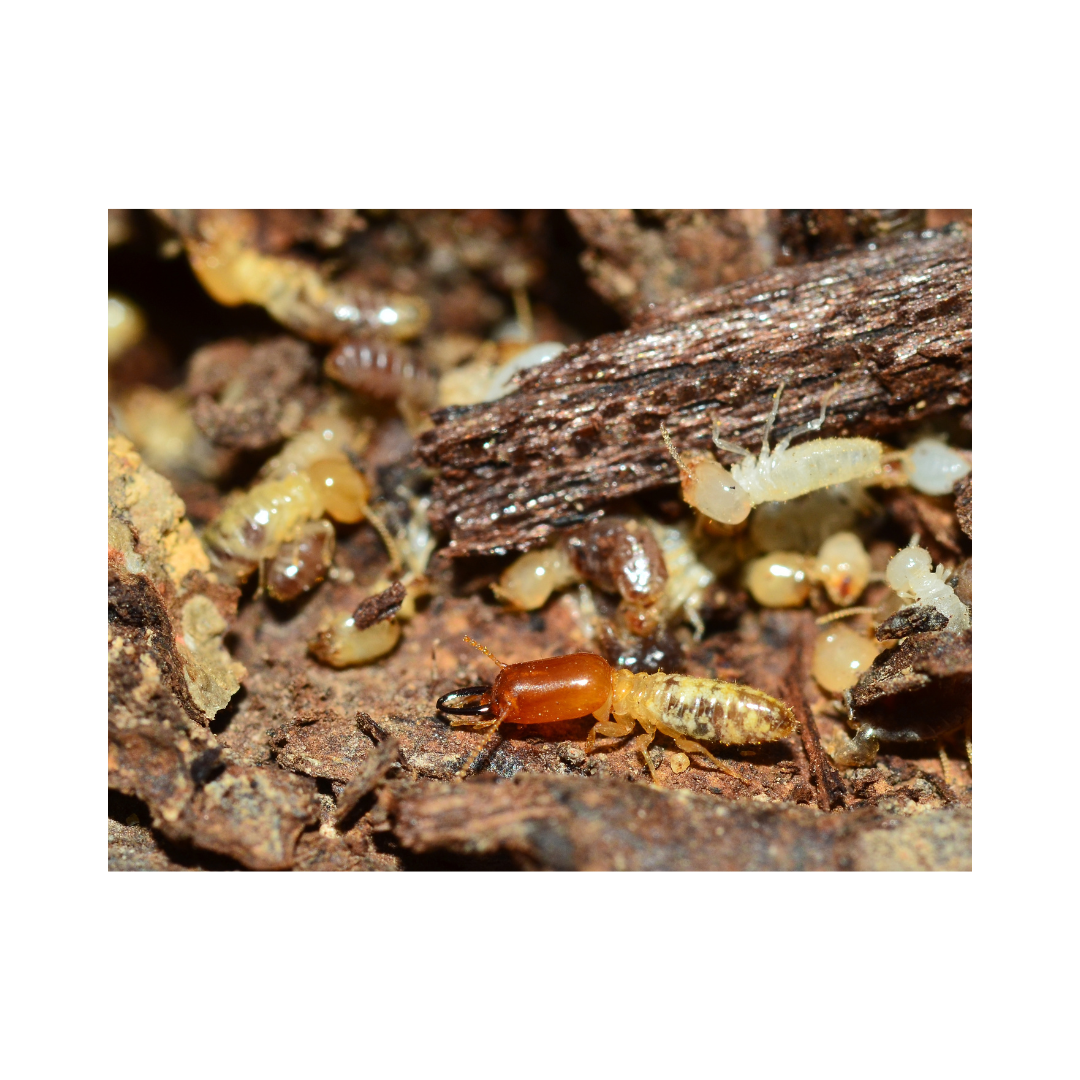
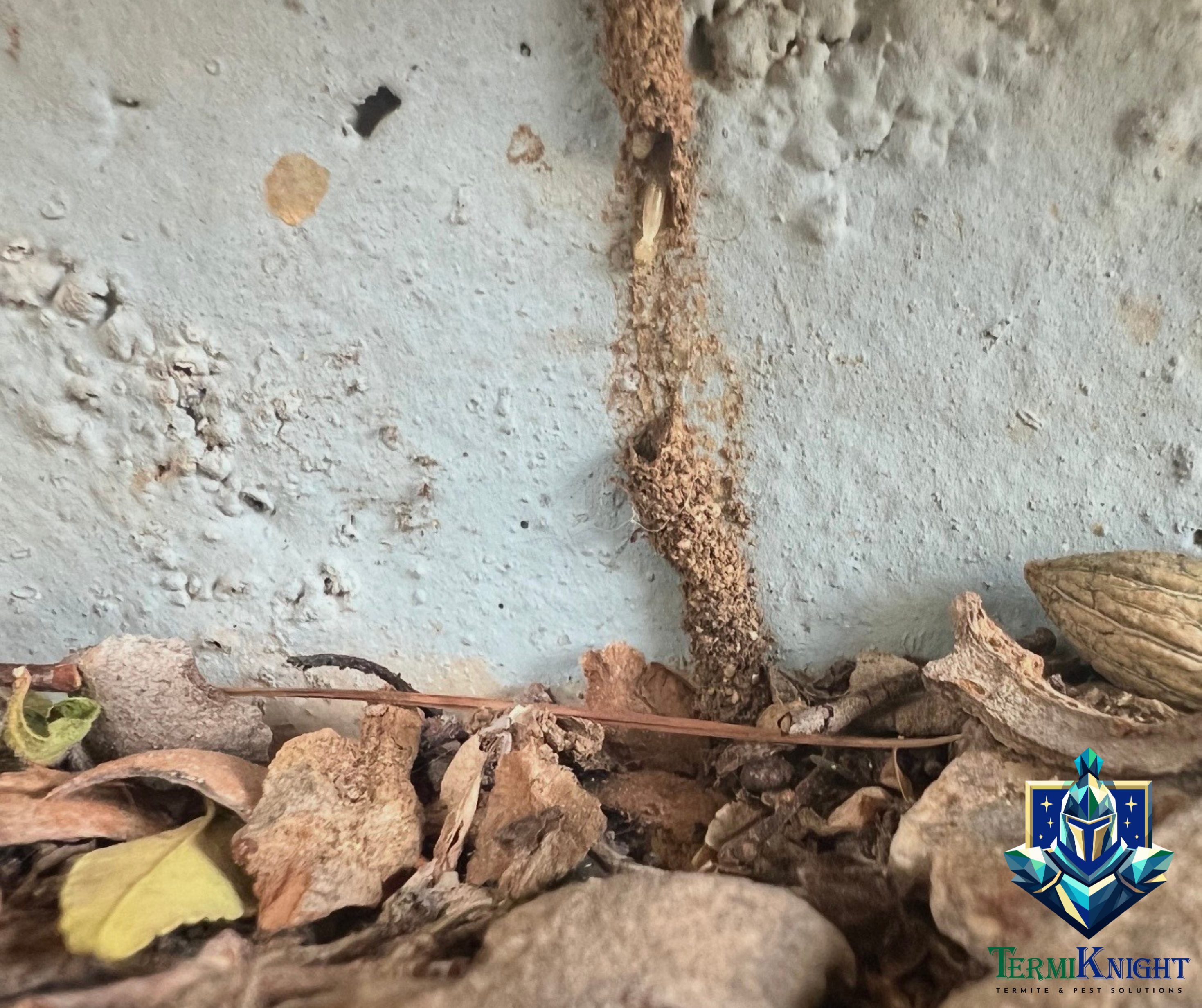
Subterranean termites are a common problem in Arizona, as in many other parts of the United States. These termites live in underground colonies and can cause significant damage to wooden structures, including homes. In Arizona, subterranean termites are particularly active during the warmer months, from spring to fall, when they swarm to form new colonies. It’s important for homeowners in Arizona to be aware of the signs of termite infestation, such as mud tubes on walls or foundations, damaged wood, and discarded termite wings. Regular inspections by a pest control professional can help detect and prevent termite problems before they cause extensive damage.
Subterranean termites are indeed a concern in Arizona, as they are in many other parts of the United States. These termites are particularly problematic because they build their colonies underground, making them difficult to detect until significant damage has already occurred.
In Arizona, subterranean termites are especially active in the warmer months when the weather is conducive to their activity. They can cause damage to wooden structures, including homes, fences, and other wooden constructions.
To mitigate the risk of subterranean termite infestation in Arizona, homeowners can take several preventative measures:
- Regular Inspections: Regular inspections of your property for signs of termite activity can help detect any issues early on. Look for mud tubes along the foundation of your home, damaged or hollow-sounding wood, and discarded termite wings.
- Moisture Control: Subterranean termites are attracted to moisture, so it’s essential to keep your home and its surroundings dry. Fix any leaks promptly, ensure proper drainage away from your home, and avoid overwatering your lawn.
- Wood-to-Ground Contact: Avoid direct wood-to-soil contact around your home, as this provides easy access for termites. Use concrete or metal barriers between soil and wooden structures.
- Termite Treatments: Consider professional termite treatments for your home, such as soil treatments or bait systems, especially if you live in an area with a high risk of termite infestation.
- Regular Maintenance: Keep your home well-maintained, including sealing cracks and crevices in your foundation, repairing damaged wood promptly, and trimming vegetation away from your home.
If you suspect you have a subterranean termite infestation, it’s essential to contact a professional pest control service experienced in termite management. They can assess the situation and recommend appropriate treatment options to protect your home. Early detection and intervention are crucial in minimizing damage from these destructive pests.



Leave a Reply